
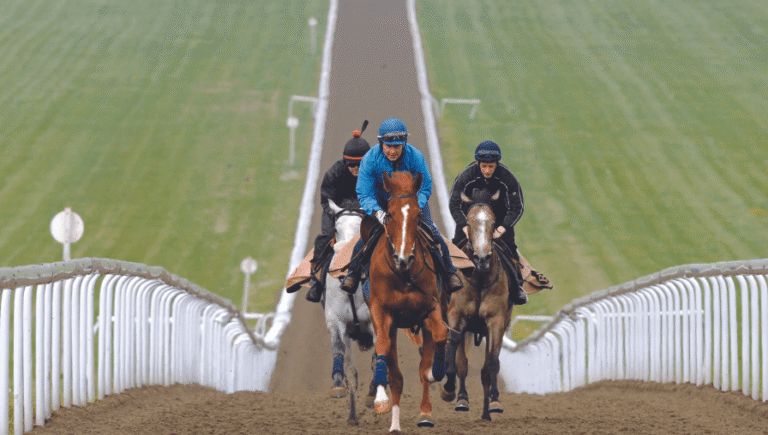
Track conditions are critical factors in horse racing, significantly impacting the performance and speed of competitors. Variations in surface type, such as dirt or turf, can create advantages for certain horses, while weather elements like rain can further complicate these dynamics. Understanding how these factors interact is essential for trainers and bettors. As they navigate the complexities of each race, the question arises: how can one effectively adapt strategies to these ever-changing conditions?
How Track Conditions Affect Speed and Performance
Although track conditions are often overlooked by casual observers, they play a critical role in determining the speed and performance of racehorses.
Variations in track surface can significantly impact performance metrics, influencing how swiftly horses navigate the course.
Understanding these dynamics allows for better predictions of speed variations and enhances the overall strategy for trainers and bettors who seek to embrace the thrill of racing.
Different Types of Track Surfaces and Their Characteristics
The surface on which horses race can vary widely, each type possessing unique characteristics that influence racing outcomes.
Dirt surfaces, often fast and forgiving, tend to favor horses with strong sprinting abilities. In contrast, turf surfaces are softer and can slow down the pace, benefiting those with stamina.
Understanding these distinctions is crucial for predicting performance and making informed betting decisions.
The Role of Weather in Shaping Track Conditions
As weather conditions fluctuate, they play a pivotal role in shaping track surfaces and ultimately influencing the outcome of horse races.
Rain impact can transform a firm track into a muddy challenge, while humidity effects may alter the grip of the surface, affecting horse performance.
Understanding these dynamics is essential for trainers and bettors alike, as they navigate the unpredictable nature of racing environments.
Strategies for Trainers and Bettors on Varying Track Conditions
Effective strategies for trainers and bettors in horse racing can significantly enhance their chances of success when faced with varying track conditions.
Trainers must adapt tactics, such as selecting appropriate horses for specific surfaces. Bettors gain insights by analyzing past performances under similar conditions, enabling informed wagering decisions.
Understanding these dynamics fosters a competitive edge, allowing for freedom in strategy and execution on race day.
Conclusion
In the grand circus of horse racing, where equine athletes gallop for glory and bettors clutch their wallets like lifebuoys, track conditions emerge as the ultimate puppeteer. Who knew that a mere sprinkle of rain could turn a thoroughbred into a slip-and-slide champion? As trainers and bettors navigate this unpredictable terrain, one can only wonder if Mother Nature should be given a VIP pass to the winner’s circle—or perhaps just a good raincoat for the next big race.