
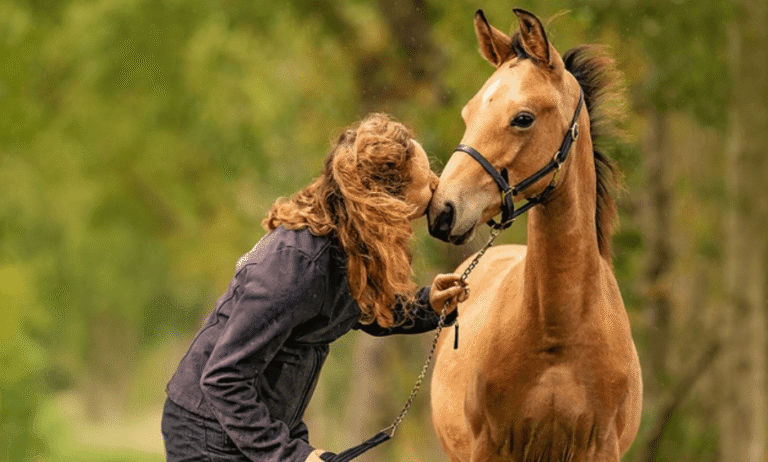
The life cycle of a racehorse is a meticulously orchestrated journey, beginning with the foal’s birth. Each stage of development is crucial, from the early days of standing and nursing to the selection by knowledgeable breeders. As the horse grows, it enters rigorous training that shapes its abilities. This process ultimately leads to the excitement of racing. However, the path to becoming a champion is fraught with challenges and decisions that can alter a horse’s fate.
The Early Days: Birth and Development of a Foal
The journey of a racehorse begins with the birth of a foal, a moment that marks the start of a remarkable life filled with potential.
Ensuring optimal foal health during these early days is crucial, as they reach significant early milestones like standing and nursing.
These foundational experiences not only determine their physical strength but also shape their future as competitive athletes.
The Role of Breeders: Nurturing Potential
Breeders play a pivotal role in shaping the future of racehorses, acting as the architects of their potential.
By employing advanced breeding practices and meticulous genetic selection, they aim to enhance desirable traits such as speed, stamina, and temperament.
This thoughtful approach not only nurtures individual talent but also contributes to the overall legacy and excellence of the sport, fostering champions for generations.
See also: The Influence of Jockeys on Horse Racing Performance
Training Regimen: Preparing for the Racetrack
After the careful selection and nurturing provided by breeders, the next phase in a racehorse’s journey is its training regimen, a critical step in preparing for the rigors of the racetrack.
This process encompasses tailored nutrition plans to enhance stamina and strength, alongside effective grooming techniques to maintain health and well-being.
Both elements are vital for developing a competitive, resilient athlete ready for racing.
The Thrill of Competition: Racing and Beyond
Once a racehorse steps onto the track, the culmination of rigorous training and innate talent transforms into an exhilarating display of speed and skill.
Racing strategies come into play as jockey dynamics influence each decision made in the heat of competition.
The thrill of racing captivates not only the audience but also the horse, embodying the spirit of freedom and the pursuit of excellence.
Conclusion
In conclusion, the journey from foal to champion racehorse is a meticulously crafted process, underscored by the dedication of breeders, trainers, and caretakers. Remarkably, only about 10% of foals bred for racing ever compete at the level of stakes races, highlighting the challenges and fierce competition within the industry. This statistic emphasizes the importance of early development and training, as each horse’s potential is shaped through careful nurturing and strategic preparation, ultimately determining its success on the racetrack.